
Key takeaways
- Keep the main living room at 18°C or above; cold homes raise blood pressure and the risk of heart attacks, strokes and chest infections.
- Check what you are entitled to: Pension Credit unlocks help with heating costs, and the Warm Home Discount and other schemes change each year.
- Falls rise sharply in icy weather; good footwear, grit, and a companion for the first trips out all reduce the risk.
- Winter is the loneliest season; a regular visit or daily call matters most between November and February.
Every winter, thousands more older people die than in the summer months, and far more are admitted to hospital with chest infections, falls and the effects of cold. Most of it is preventable. This guide covers the three things that matter most: warmth, safety and company.
How warm should an older person's home be?
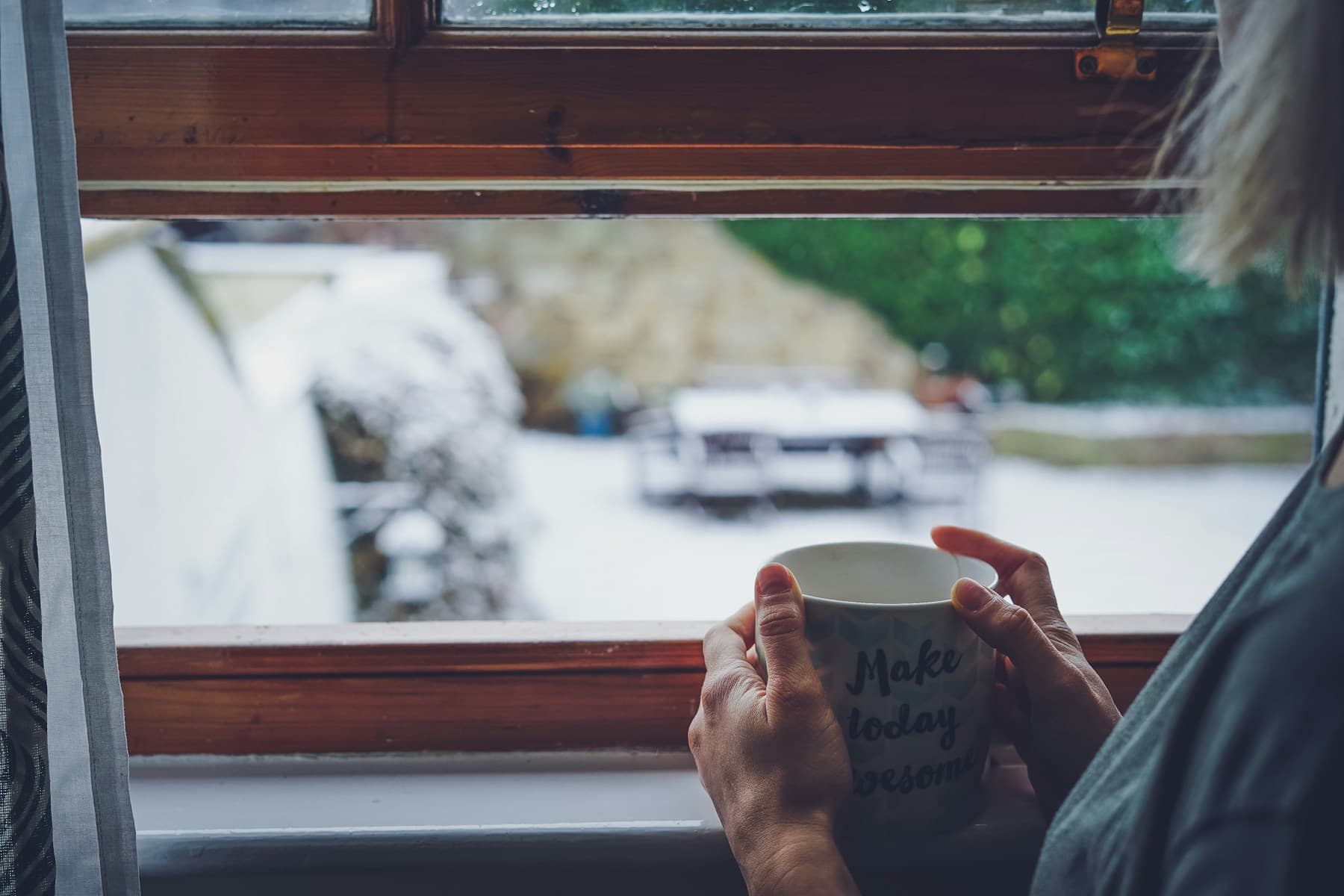
The NHS advises heating the rooms you use most to at least 18°C, and keeping bedroom windows closed at night. Cold thickens the blood and raises blood pressure, which is why heart attacks and strokes increase in cold snaps. Layers of thin clothing, a hot drink and a hot meal every day, and keeping moving indoors all help. If the heating is broken or unaffordable, say so; there is help.
What help with heating costs can older people claim?
- Pension Credit tops up a low income and unlocks other help, including heating support. Hundreds of thousands of eligible pensioners do not claim it; check on GOV.UK.
- Winter Fuel Payment and Warm Home Discount rules change from year to year; check the current eligibility on GOV.UK or ask us to help you check.
- Cold Weather Payments are made automatically to people on certain benefits during very cold spells.
- Energy supplier support: priority services register, payment plans and hardship funds. Ask your supplier.
- Disability benefits: PIP or Attendance Allowance can pay for the extra costs of staying warm and well.
How can older people avoid falls in winter?
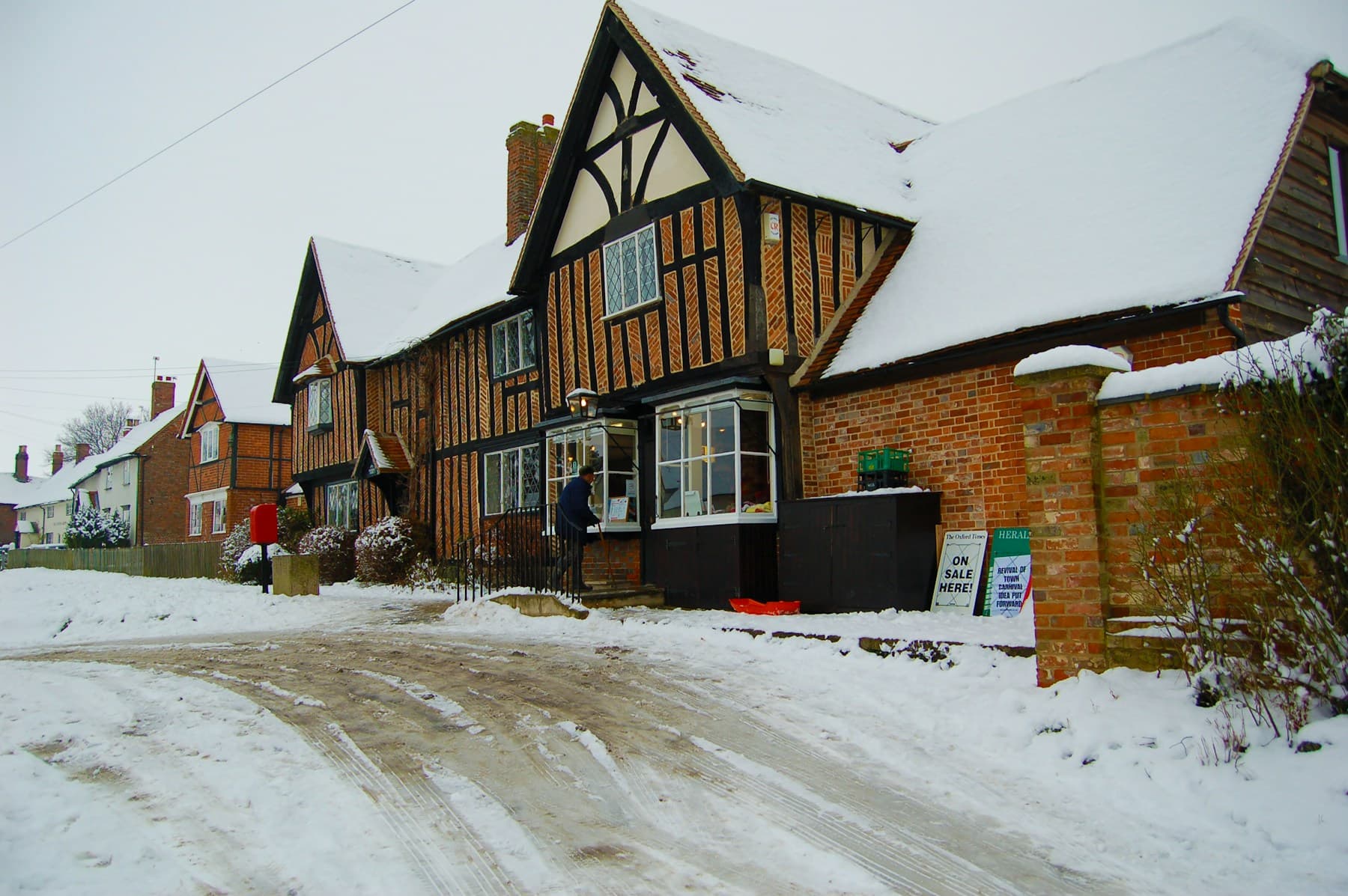
Falls are the most common reason older people end up in hospital in winter. Wear shoes with a good grip, keep a bag of grit by the door, and avoid going out in the dark on icy days unless you must. Keep a torch and a charged phone to hand. Ask the GP for a review of medication that causes dizziness, and about a falls assessment or strength and balance classes, which cut the risk of falling by a third.
Why is company so important in winter?
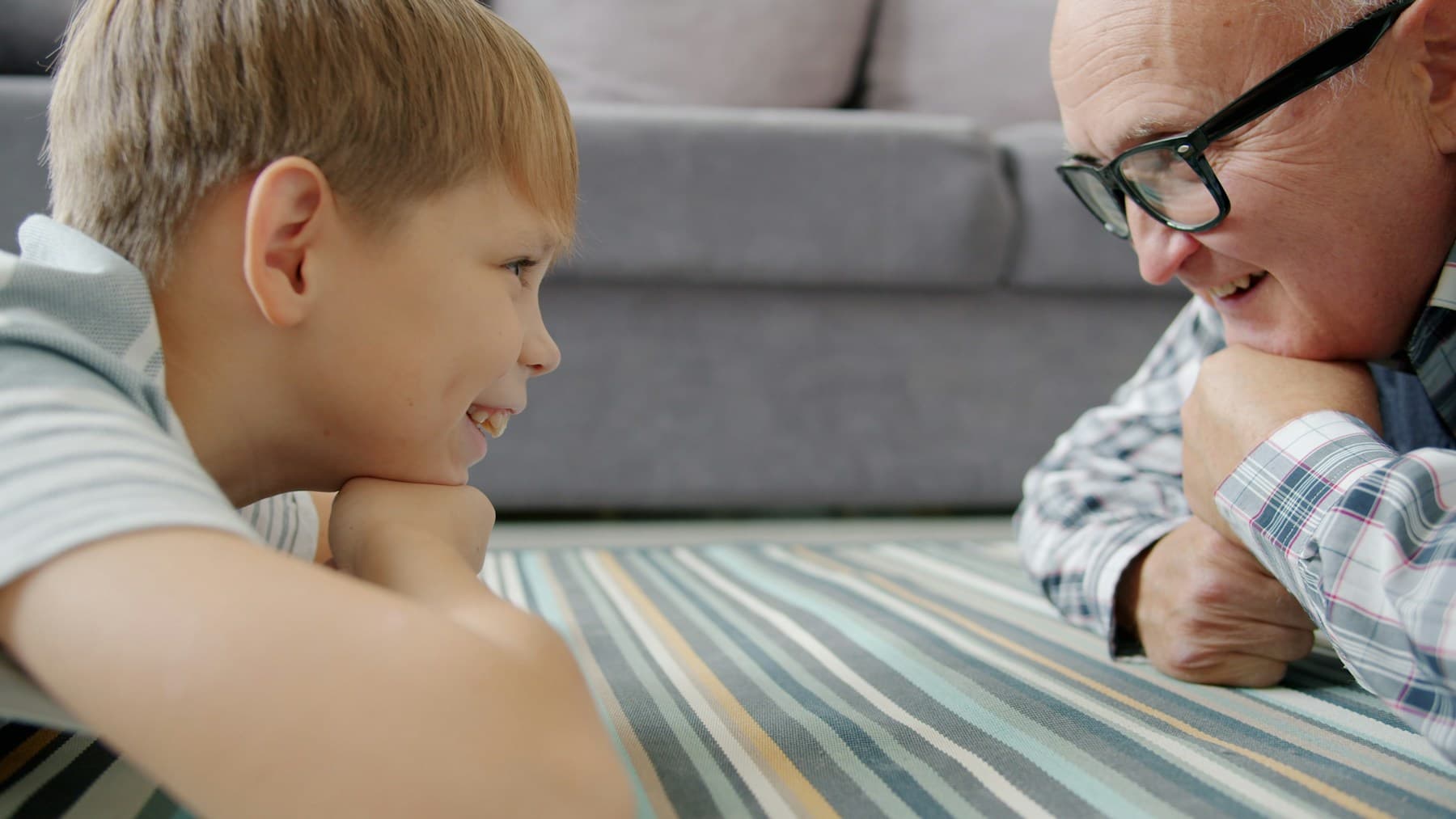
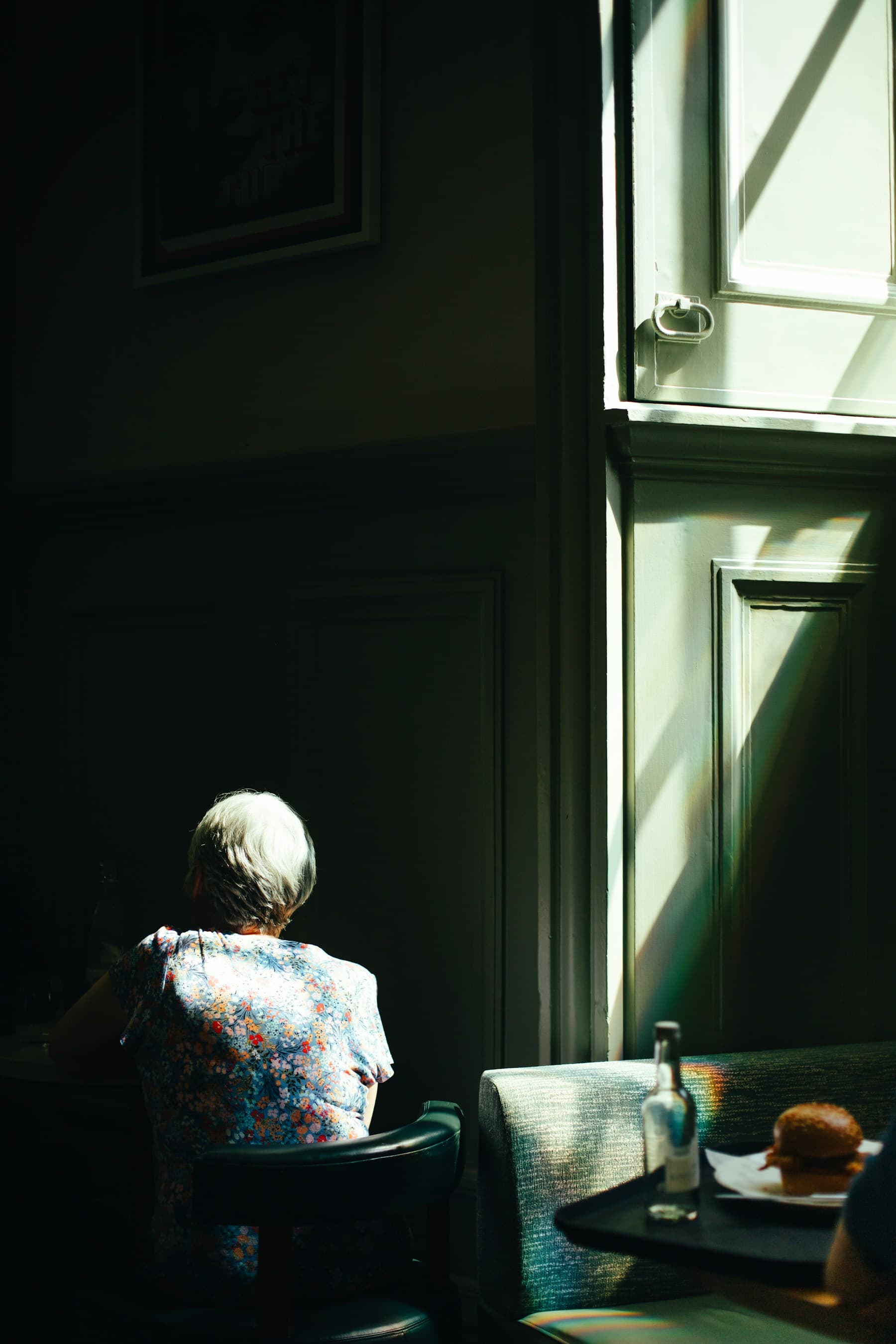
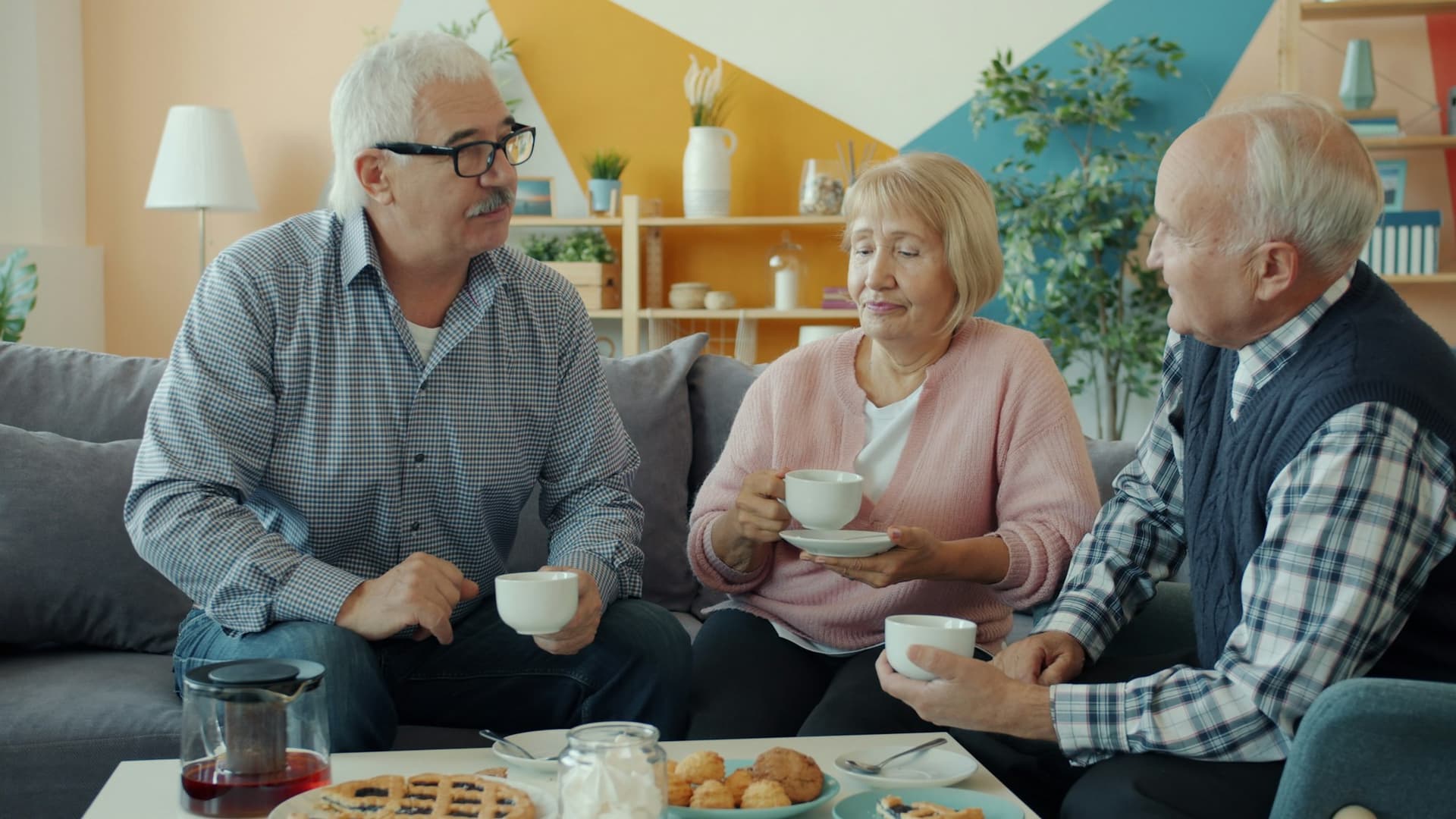
Dark afternoons and bad weather mean fewer visitors, fewer outings and more time alone, and loneliness peaks between November and February. A regular befriender who visits every week, or a daily phone call, keeps someone connected and also means that a cold house, a chest infection or a missed prescription gets noticed. Our article on loneliness and health explains the stakes.
Frequently asked questions
Sources and further reading

The AgeTrust team
Befriending, Men in Sheds and PIP support
AgeTrust (charity no. 1124019) has worked on older people's health and loneliness since its founding, including national programmes with the NHS and the Department of Health. Articles are reviewed by the team and updated when guidance changes.