
Key takeaways
- Gift Aid lets a charity reclaim 25p for every £1 a UK taxpayer gives; you only need to make a declaration once.
- Higher-rate taxpayers can claim back the difference between their rate and basic rate on their self-assessment return.
- Gifts to charity in a will are free of inheritance tax, and leaving 10% or more of your estate to charity reduces the rate on the rest from 40% to 36%.
- £5 covers a volunteer's travel to a visit; £15 funds a month of weekly phone calls; £30 equips a new shed member with safety kit.
Small charities depend on individual givers, and two simple mechanisms make every gift worth more: Gift Aid on donations now, and a gift in your will later. Both are straightforward once explained. This guide covers how they work and what your money does at AgeTrust.
What is Gift Aid and how does it work?
If you pay UK income tax or capital gains tax, Gift Aid allows the charity to reclaim the basic-rate tax you have already paid on the money you give. In practice that means every £1 becomes £1.25 at no extra cost to you. You make a Gift Aid declaration once, by ticking a box or telling us, and it covers your donations for the past four years and the future, as long as you have paid enough tax to cover them.
Can higher-rate taxpayers claim extra?
Yes. If you pay tax at 40% or 45%, you can claim the difference between your rate and the basic rate on your self-assessment return, or by asking HMRC to adjust your tax code. On a £100 donation, the charity receives £125 and a 40% taxpayer can claim back £25.
How does leaving a gift to charity in my will work?
You can leave a fixed sum (a pecuniary gift), a share of what is left after other gifts (a residuary gift), or a specific item. Gifts to registered charities are exempt from inheritance tax, and if you leave 10% or more of your net estate to charity, the inheritance tax rate on the rest falls from 40% to 36% (GOV.UK). Your solicitor will need our registered name, Age Related Diseases & Health Trust, and our charity number, 1124019.

What does a gift to AgeTrust pay for?
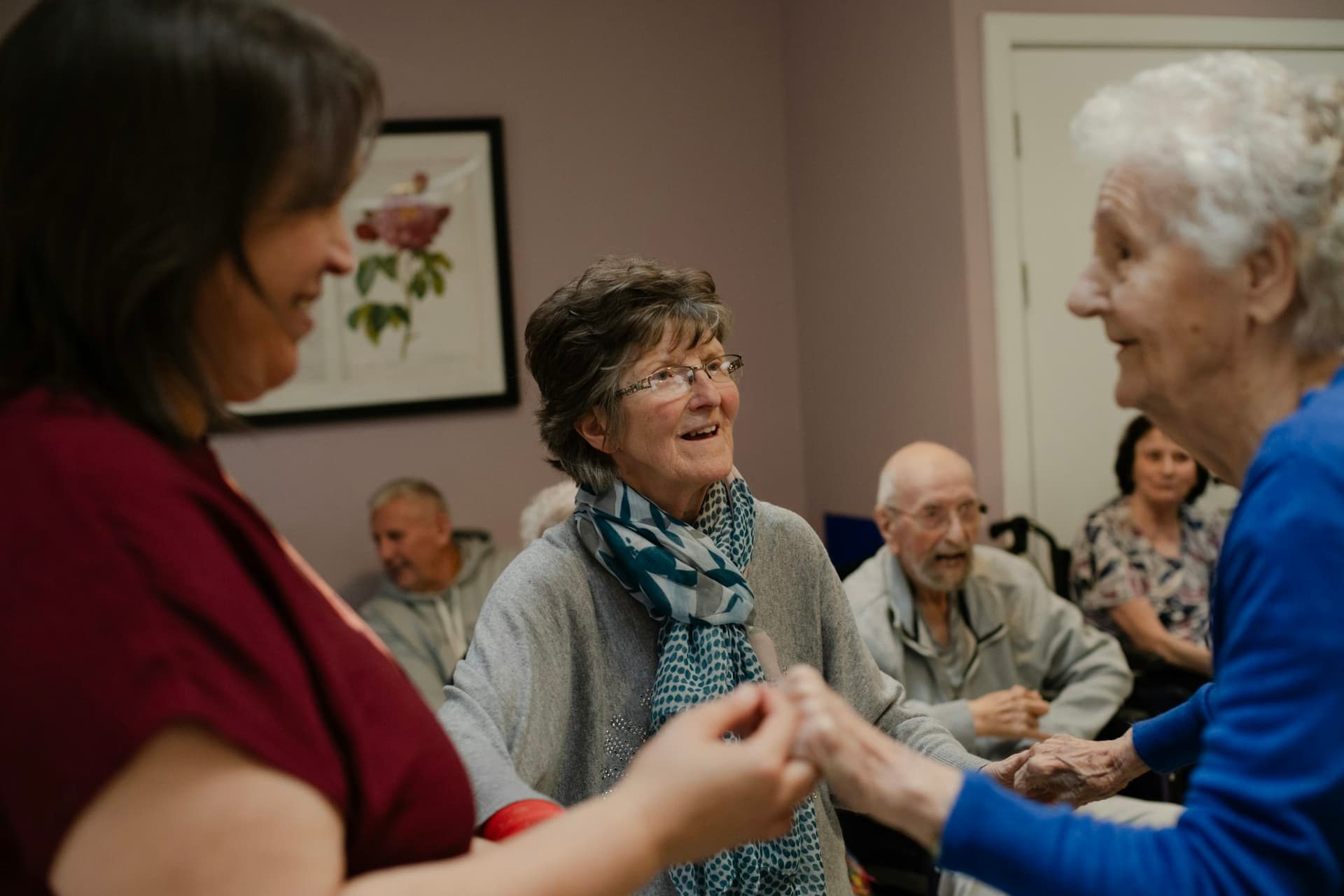
- £5 covers a volunteer's travel to a befriending visit.
- £15 funds a month of weekly phone calls to someone who lives alone.
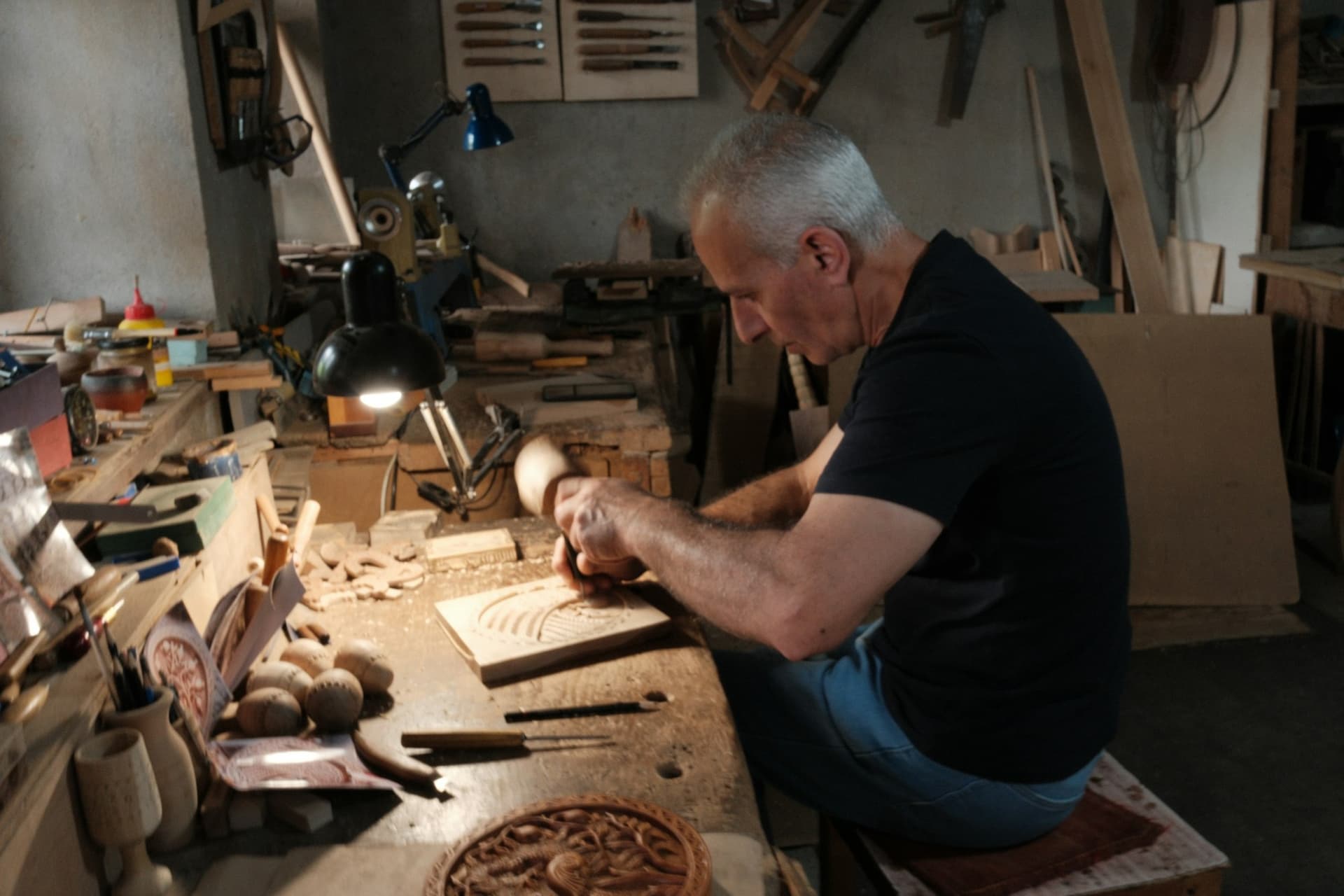
- £30 equips a new Men in Sheds member with safety kit.
- £60 pays for a volunteer's DBS check and induction.
- A legacy, however small, lets us plan years ahead and keep befriending free for people who cannot pay.
Frequently asked questions
Sources and further reading
The AgeTrust team
Befriending, Men in Sheds and PIP support
AgeTrust (charity no. 1124019) has worked on older people's health and loneliness since its founding, including national programmes with the NHS and the Department of Health. Articles are reviewed by the team and updated when guidance changes.